The Gullah Geechee Georgia Museum is located on the hallowed grounds of the historic Needwood Baptist Church in Brunswick, Georgia. Founded in 1866 by newly emancipated African Americans, this church became more than a place of worship—it was a symbol of freedom, land ownership, education, and community strength.
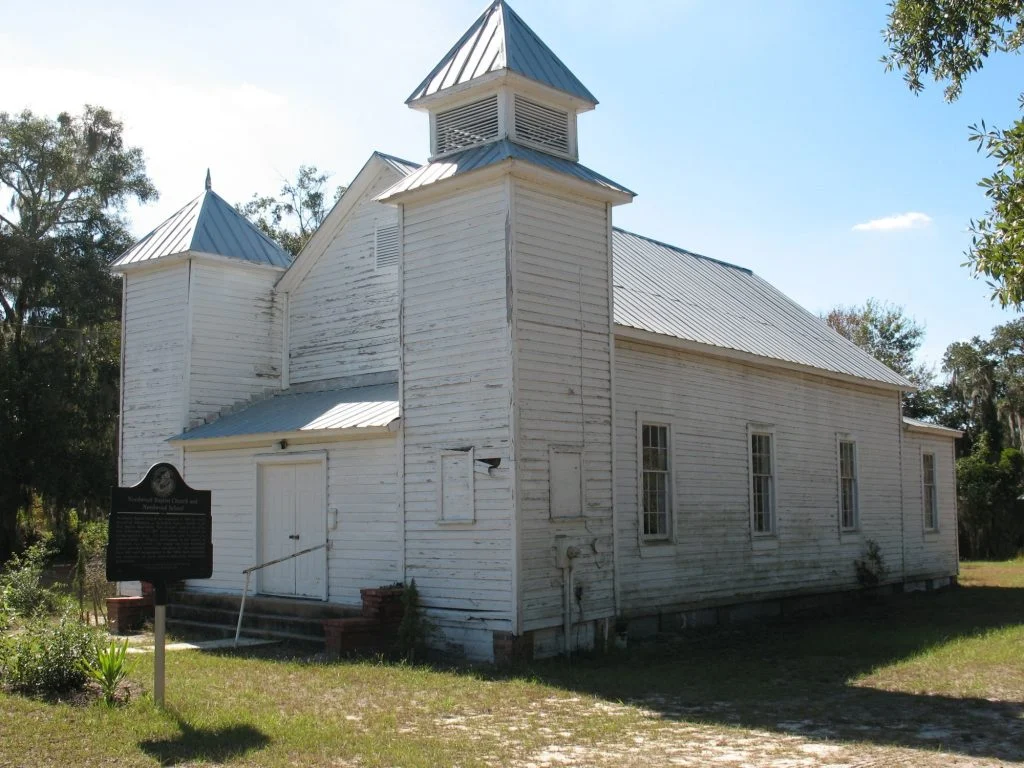
The Sacred Grounds of Needwood Baptist Church
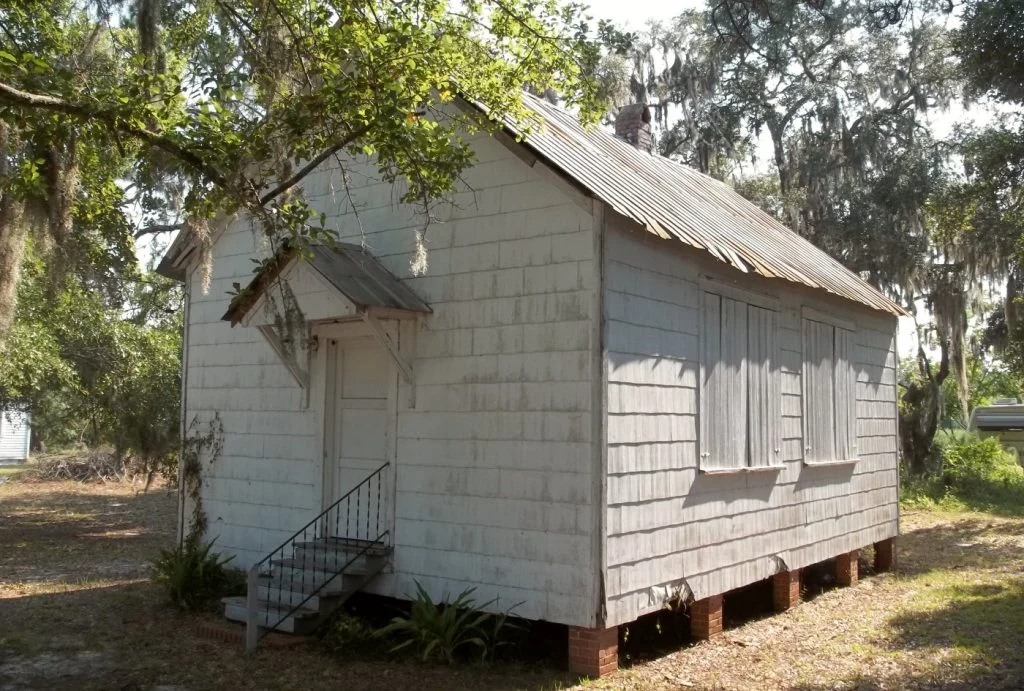
Adjacent to the church is a one-room schoolhouse built in 1907, where generations of African American children were educated by leaders within the community. These structures, still standing today, embody the Gullah Geechee commitment to self-determination, spiritual grounding, and cultural pride in the face of systemic oppression.
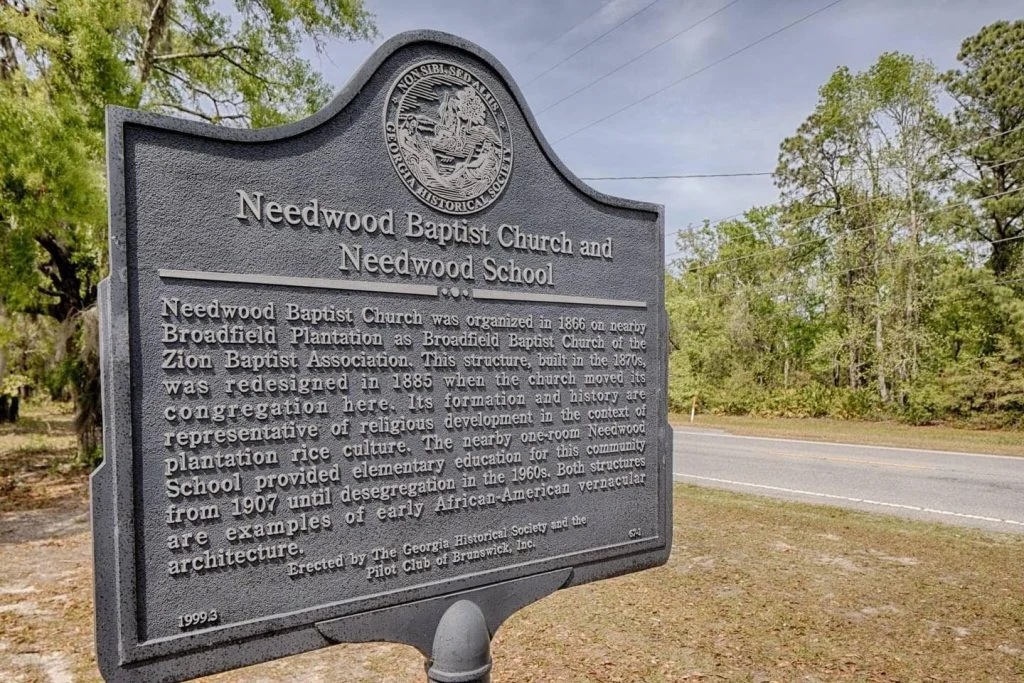
The Georgia Historical Society’s marker adds detail: the congregation was organized in 1866 on nearby Broadfield Plantation as Broadfield Baptist Church of the Zion Baptist Association, the church building dates to the 1870s, and it was redesigned in 1885 when the congregation moved here. The one-room Needwood School provided elementary education from 1907 until desegregation in the 1960s. Both buildings are examples of early African American vernacular architecture.
A Culture Born in Resistance
The first documented arrival of enslaved Africans in what is now the United States occurred in 1526 along the coast of present-day Georgia and South Carolina. These Africans brought with them not only physical labor but also advanced knowledge of agriculture, boat building, herbal medicine, spiritual systems, and community governance. Despite unimaginable hardship, they retained their linguistic, culinary, and artistic traditions—blending them with Indigenous and European influences to create the rich cultural tapestry known as Gullah Geechee.
Georgia’s coastal counties, including Glynn, McIntosh, Liberty, and Chatham, became home to generations of Gullah Geechee people who lived and labored on rice, indigo, and cotton plantations in brutal conditions—yet preserved their African heritage through oral storytelling, spirituals, foodways, and language.
Heritage Timeline
Select a year to read more, or filter by theme. Dates come from the sources listed below. The museum’s own founding date will be added once confirmed.
1526: Enslaved Africans arrive on the southeastern coast
The museum dates the first documented arrival of enslaved Africans in what is now the United States to 1526, along the coast of present-day Georgia and South Carolina.
1866: Congregation organized
Needwood Baptist Church was organized at nearby Broadfield Plantation as Broadfield Baptist Church, founded by freed people. Sources: Georgia Historical Society; The Georgia Trust.
1870s: Church building constructed
The Georgia Historical Society marker dates the building to the 1870s.
1885: The church moves to its present site
The building was redesigned when the congregation moved here. Source: Georgia Historical Society.
1907: Needwood School
The one-room school began serving the community. The marker says it served until desegregation in the 1960s; The Georgia Trust says until the 1950s, when Georgia created Equalization Schools.
1998: National Register of Historic Places
Needwood Baptist Church and School was listed on December 17, 1998. Source: National Park Service.
1999: State historical marker
The Georgia Historical Society and the Pilot Club of Brunswick erected a marker in front of the church on US 17.
2006: Gullah Geechee Cultural Heritage Corridor
Congress designated the corridor on October 12, 2006, through the National Heritage Areas Act of 2006. Source: National Park Service.
2019: Georgia Trust Places in Peril
The Georgia Trust listed the church and school among its Places in Peril, citing failing roofs and water damage, and noting a 2019 grant to the church.
Needwood Community and Early Black Settlements
The museum’s research places Needwood within a wider landscape of early Black settlement in Glynn County before U.S. Highway 17 was built, including freedmen farm plots on Needwood Creek and the Turtle River, Glynn County Training School, the route of the Old Post Road, and the nearby African American communities of Brookman, Arco, Pennick, and Sterling.
From Grassroots to Guardian
The Gullah Geechee Georgia Museum began as a grassroots effort to preserve the Needwood Church and schoolhouse. As local residents and descendants recognized the urgency of preserving their cultural legacy, the initiative grew into a formal institution. Today, our museum serves as a cultural and historical guardian—documenting, exhibiting, and celebrating over 500 years of Gullah Geechee history in Coastal Georgia.
Through community storytelling, intergenerational education, and curated exhibits, we center the voices of those who have historically been marginalized—and in doing so, we reclaim and elevate the enduring legacy of our people.
A Living History
Our work is not about the past alone. The Gullah Geechee Georgia Museum is committed to connecting history with the present and future. We collaborate with descendants, historians, artists, and educators to keep the culture alive through language preservation, music, food, crafts, festivals, and oral history projects. We honor our ancestors by continuing their work, and we empower future generations to carry their heritage with pride.